The Mark Cuban Healthcare Fix Already Exists: Direct Specialty Care
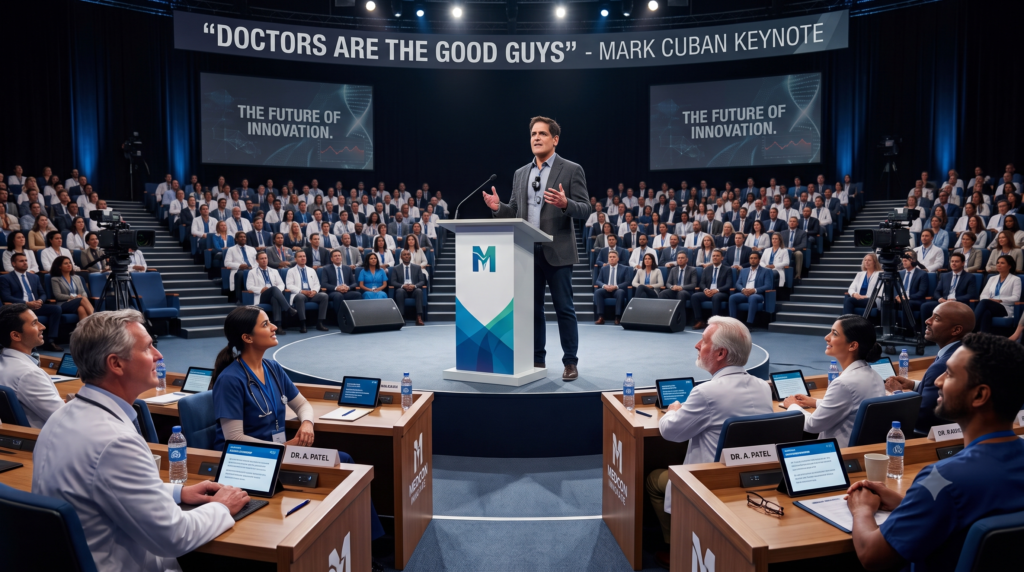
The Mark Cuban healthcare message is simple, and specialists have been quietly living it for years: publish the prices, cut out the middlemen, and let doctors lead. He keeps making the case for transparent, physician-led, cash-pay care where a patient sees the price before the visit and no insurer sits in the middle. That model already exists. It is called direct specialty care.
Mark Cuban has spent years telling the country something most patients already feel and most physicians already know: American healthcare buried a simple thing, a doctor and a patient agreeing on care and a price, under layers of insurers, middlemen, and paperwork. And he keeps saying one thing out loud that is worth repeating. In healthcare, the doctors are the good guys.
He is right. And the model he keeps describing already exists. It has a name, and a growing community of specialists who practice it every day.
Quick answer: Mark Cuban keeps making the case for transparent, physician-led, cash-pay care where a patient sees the price before the visit and no insurer sits in the middle. That model already exists. It is called direct specialty care, and a growing community of specialists practices it every day.
What does Mark Cuban actually keep arguing?
Strip away the headlines and his case is consistent. Speaking on the “How I Doctor” podcast in 2025, Cuban compared the system to a David-and-Goliath fight between good and bad actors, and put physicians firmly on the side of good. A few themes come up again and again:
- Publish the prices and the contracts. Real transparency means a patient can see the cost before care, not weeks later on a surprise bill. Cuban has argued that consumers can only know whether they are being overcharged when billing is transparent and easy to verify, and his Cost Plus Wellness effort has moved to publish provider contracts and the prices it pays.
- Cut out the middlemen. Every administrator and intermediary between the patient and the physician adds cost and takes time. He reserves his sharpest words for insurers, calling them “the worst of the worst” for designing plans patients cannot afford to use.
- Let doctors be doctors, and pay them more. He frames physicians as the good actors in a broken system and has said plainly that doctors should be paid more, while urging them to innovate independently and to walk away from systems that do not value them.
He has even argued, at times provocatively, for taking healthcare back to a simpler arrangement in which a patient gets a bill and, if they can afford it, simply pays it. That is not nostalgia. That is a description of cash-pay, direct care.
Is the Mark Cuban healthcare vision just direct specialty care?
A patient sees the price before the visit. No insurer in the middle. A contract directly between the doctor and the patient. Transparent, fair, and fast.
That is direct specialty care. It is what a specialist does when they step outside insurance billing and work directly with the patient, who keeps their insurance for hospitalizations, labs, and imaging. If you want the full explanation, the DSC Alliance lays out what direct specialty care is and why it is emerging.
When the most-watched entrepreneur in the country spends his time making the case for transparent, physician-led care, he is not describing a startup he wishes existed. He is describing the way a growing number of specialists already practice. To be clear, Cuban has not endorsed the DSC Alliance, and this article does not claim he has. His public statements simply describe, from the outside, the model that direct specialty care already delivers from the inside.
What Cuban gets right about the middlemen
The most useful part of the Mark Cuban healthcare argument is not the celebrity, it is the diagnosis. He keeps pointing at the same structural problem: layers of intermediaries who profit by complicating the system, and who sit between the two people who actually matter, the physician and the patient.
Direct specialty care is the practical answer to that diagnosis. When you remove the insurer from the visit, the overhead that funds all those intermediaries falls away, and the price the patient pays can finally reflect the care they receive rather than the administration around it. The specialist is paid fairly for their expertise by the person who benefits from it, and the patient knows the cost in advance. That is not a theory. It is a Tuesday in a direct practice.
Cuban has also championed physicians direct-contracting with employers, and that is one of the most powerful growth paths in direct care. A single employer relationship can bring a steady, predictable group of patients who already value transparent, direct access, which is exactly the kind of arrangement his Cost Plus Wellness work is built around. The specialists building direct practices today are, in effect, the supply side of the market he keeps describing.
Where are the doctors who will actually do this?
Read enough of Cuban’s healthcare commentary and the real question underneath is simple: where are the doctors who will actually do this?
Here is the answer. We are here. Specialists across more than twenty states, more of us every month, practicing transparently and directly, and building this into a field instead of a scattering of brave individuals. It spans specialties too, from rheumatology to procedural fields, like the anesthesiologist who left insurance to build Renovo Health.
That is the whole point of the DSC Alliance. The national conversation is finally catching up to what this community has been building quietly for years. The work now is to make sure that when patients, employers, and even the AI tools people ask first come looking for transparent, doctor-led care, they find us.
Why being findable is now part of the job
There is a hard truth inside all of this. It does not matter how transparent or excellent a specialist is if no patient can find them. The best cash-pay rheumatologist in a state is invisible if she is a needle in a haystack of insurance-driven listings.
That is why a shared, patient-facing national directory matters as much as the clinical model. It puts verified direct-care specialists in front of the exact patients, employers, and AI assistants that are now searching for them, organized by specialty and state. Together, we are easy to find. Alone, the best transparent specialist in a state can still be invisible. Being findable is no longer a marketing afterthought, it is part of practicing this way.
The country is starting to say it out loud. Doctors are the good guys, and the model that lets them practice that way is real. We are not waiting for permission. We are already doing it, together.
If you are a physician on the fence
One of Cuban’s most pointed pieces of advice was aimed directly at doctors: refuse jobs at health systems that do not value you, and look for opportunities to innovate independently. For a lot of specialists, that lands hard, because it names something they already feel. Years of shrinking reimbursements, shorter visits, and administrative weight leave many physicians burned out and quietly asking whether this is the medicine they trained for.
Direct specialty care is one of the clearest ways to act on that advice. It is not a protest, it is a practice. You set your scope, your schedule, and your pricing, you spend your time on patients instead of paperwork, and you own the business you build. Many specialists describe the switch as the thing that pulled them back from the edge of leaving medicine altogether. Cuban is telling physicians they have more leverage than they think. Direct care is how you use it.
You also do not have to gamble your career to find out. The fears that stop most specialists, pricing, contracts, and whether patients will find you, are far smaller in a community of people who have already answered them. That is the difference between hearing a billionaire say doctors should lead and actually being handed the tools to do it.
What this means for patients
For patients, the takeaway is just as direct. The transparent, doctor-led care Cuban keeps describing is not something to wait for, it exists now, and it is often more affordable than navigating a high-deductible plan. A patient can see a specialist who lists a clear price, spends real time with them, and does not hand them a surprise bill weeks later. The only missing piece has been knowing where to look, which is exactly what a patient-facing directory solves.
We built this, and now it has a home.
For years there was no specialist-specific home for direct care. So we built one. Explore the new platform at dscalliance.org: the full webinar library, the DSC Starter Course, the monthly newsletter, a private community of specialists, and a national directory built so patients can actually find you.
This is the opportunity, and the door is open. Founding membership is free for your first 12 months, for verified physicians, with your founding price locked for life. Come be part of our family before the founding round closes December 31.
Create your free founding account → dscalliance.org/membership
Key takeaways
- Mark Cuban consistently argues for published prices and contracts, removing the middlemen who add cost, and letting physicians lead and be paid fairly.
- The model he describes, transparent, cash-pay, doctor-to-patient care, is direct specialty care, and it already exists.
- Patients in a direct model keep insurance for hospitalizations, labs, and imaging, while paying the specialist directly for transparent care.
- Cuban has not endorsed the DSC Alliance; he is referenced here because his public case matches the model direct specialty care delivers.
- The DSC Alliance exists so that when patients, employers, and AI tools look for transparent, physician-led care, they can actually find the specialists who provide it.
Frequently asked questions
What does Mark Cuban say about doctors and healthcare? Mark Cuban argues that healthcare should publish its prices and contracts, cut out the middlemen who add cost between patient and physician, and let doctors lead and be paid more. He repeatedly frames physicians as the good actors in a broken system and describes transparent, cash-pay care as the fix.
Is direct specialty care the same as what Mark Cuban describes? Yes, in practice. Cuban describes a patient seeing the price before care, no insurer in the middle, and a direct doctor-patient relationship. That is precisely direct specialty care. He is not describing a hypothetical startup, he is describing how a growing number of specialists already practice.
Does Mark Cuban endorse the DSC Alliance? No. Mark Cuban is a public entrepreneur, not a physician, and he is referenced here, not presented as endorsing the DSC Alliance. His public statements simply describe the same transparent, physician-led model that direct specialty care already delivers.
What is direct specialty care? Direct specialty care is a model where a specialist works directly with the patient outside insurance billing. The price is transparent and known before the visit, and the patient keeps their insurance for hospitalizations, labs, and imaging. The relationship is direct, fair, and fast.
Do patients give up their insurance in a direct specialty care model? No. Patients keep their insurance for hospitalizations, labs, and imaging. Direct specialty care simply removes the insurer from the direct relationship with the specialist, so the patient sees a transparent price and pays for that care directly when it is the better option.
How can patients or employers find direct specialty care doctors? Through the DSC Alliance national directory, built so that patients, employers, and the AI tools people now ask first can find transparent, physician-led specialists by specialty and state. The directory exists because the best transparent specialist is invisible if no one can find them.
Sources
- Medical Economics, “Mark Cuban: Health care is a battle of good against bad, and doctors are the good guys”: medicaleconomics.com
- Benzinga, “Mark Cuban Slams Healthcare Pricing, Says Transparency Is the Only Way to Know if You’re Getting Ripped Off”: benzinga.com
- Becker’s Hospital Review, “Mark Cuban’s healthcare playbook explained” (publishing provider contracts, Cost Plus Wellness): beckershospitalreview.com
- Yahoo Finance, “Mark Cuban Says Let’s Take Health Care Back … Patients Get a Bill and if They Can Afford It, They Pay That Bill”: finance.yahoo.com
Disclaimer: This article is for educational purposes and does not constitute legal, or financial advice. Mark Cuban is referenced based on his public statements and does not endorse the Direct Specialty Care Alliance.
About the author
Dr. Diana Girnita, MD, PhD, is a rheumatologist, the founder of Rheumatologist OnCall, and co-founder of the Direct Specialty Care Alliance. She completed a PhD in immunology and transplant immunology, trained at Harvard University and the University of Cincinnati, and is the author of two books on autoimmune disease and nutrition. She built the DSC Alliance so no specialist has to leave the insurance system alone.
Ready to practice medicine the way it was meant to be? Join the founding round at dscalliance.org.
